How to wash a rug at home or at the laundrette
An honest guide to washing rugs: which ones can go in the machine, how to prep them, wash them cold and dry them fully to avoid mould and musty smells.
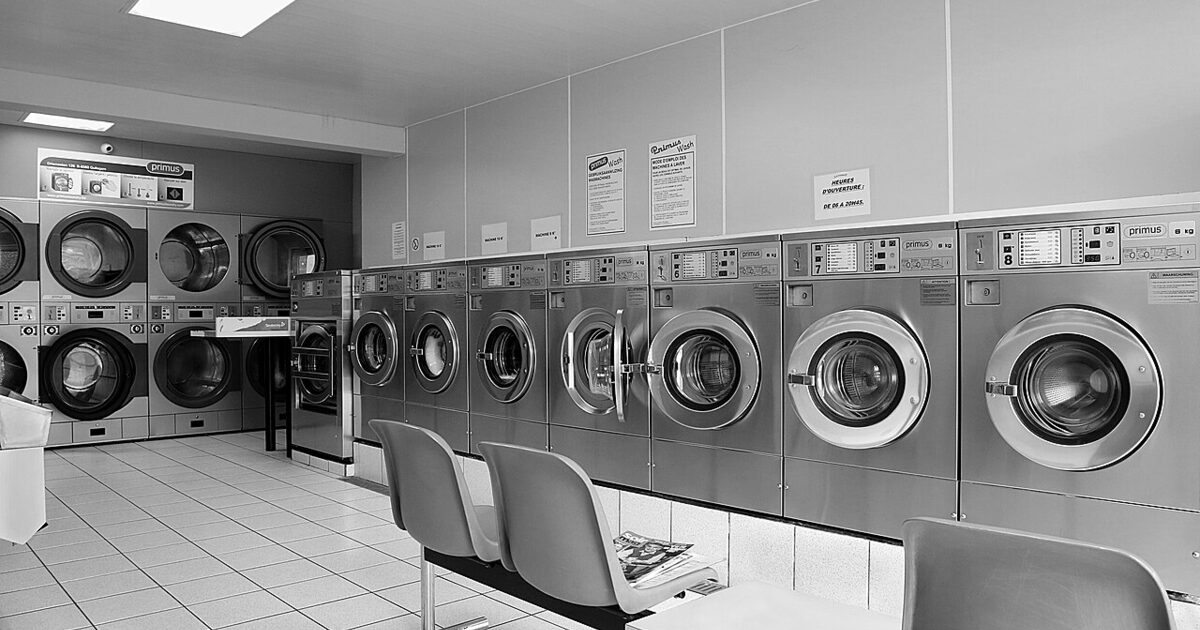
Washing a rug is worth the effort: rugs trap dust, mites, food crumbs and smells that vacuuming only hides. A proper deep wash once or twice a year makes them look new again. But there are two conditions: knowing whether your rug can actually go in the machine and, above all, getting it completely dry. Let’s take it step by step.
Which rugs can go in the washing machine (and which can’t)
Your first stop is always the care label. If your rug still has one, trust it over any advice from the internet, including this one. If there’s no label, this breakdown is right almost every time:
| Type of rug | Machine washable? | Why |
|---|---|---|
| Cotton and synthetics (polyester, polypropylene, nylon) | Yes | They handle water and drum movement well |
| Bath mats and washable doormats | Yes | They’re designed to get wet |
| Short pile, small or medium size | Yes | They rinse and dry without trouble |
| Long pile | Almost always | Only if it fits loosely in the drum |
| Jute, sisal and other natural fibres | No | They soak up water, warp and can rot |
| Delicate wool | No | It shrinks and mats down |
| Hand-knotted, Persian or valuable rugs | No | The dyes can bleed; leave these to a specialist cleaner |
When in doubt, treat it as delicate and take it to a professional. Paying for a cleaning is cheaper than losing the rug.
Before washing: prep it properly
Five minutes of preparation make a big difference:
- Vacuum both sides. Take your time on the top, then do the back too: that’s where the grit collects that later turns the wash water murky.
- Shake it out outside. On the terrace or in the street, a few good whacks release the deep-down dust the vacuum can’t reach.
- Pre-treat any localised stains. A little mild detergent or bleach-free stain remover on the spot, let it work for a few minutes, then blot with a cloth — don’t rub. Rubbing spreads the stain and wears down the fibres.
The wash: cold, gentle and with room to move
The right settings are the same at home and at the laundrette:
- Cold water or 30 °C at most. Hot water shrinks fibres and can crack rubber backing.
- Delicate programme and a low spin.
- Mild detergent and no bleach, not even on light-coloured rugs: it fades the colour and weakens the fibres.
- Roll it up loosely before it goes in the drum.
And here’s the bit almost nobody mentions: a rug needs space. A soaked rug weighs several times its dry weight. If it goes in crammed, the water can’t circulate: the detergent never reaches the middle and the rinse doesn’t carry the dirt away. It comes out “washed” on the outside with soap and grime still inside. As a rule of thumb, it shouldn’t fill more than two thirds of the drum.
Drying: the part that decides everything
More rugs are ruined here than in the wash. A rug that gets stored, folded or walked on while damp grows mould in the backing and picks up that musty smell nothing will shift. The goal isn’t for it to “look dry” — it has to be dry all the way through, backing included.
Two ways to get there:
- A large-capacity dryer on low heat, only if the label allows it. Many rugs have a rubber backing that cracks with heat: if yours does, no dryer.
- Laid out flat, on a surface that lets air through, flipping it halfway through. Hung over a thin line, a heavy rug will lose its shape.
To check it’s ready, press your palm against the backing: if it feels cool, there’s still moisture inside. Give it more time.
The mistakes that ruin the most rugs
- Stuffing it in folded and tight in a small machine: it won’t rinse properly and can throw the machine off balance.
- Washing in hot water: it shrinks the fibres and unsticks the backing.
- Storing it before it’s fully dry: mould and musty smells all but guaranteed.
- Rubbing stains instead of blotting them: the stain spreads and the fibres get damaged.
Bath mats: the easy case
If bath mats are your concern, relax: this is the simplest scenario. They’re small, almost always cotton or microfibre, and made to get wet. Wash them at 30 °C on a normal or delicate programme and, if the label allows, tumble dry on low. What matters here is frequency: every week or two, because they live damp and are mould’s favourite spot.
How often should you wash a rug?
- Vacuuming: once a week, and the back every now and then.
- Deep wash: once or twice a year. A good moment is before storing it at the end of the season, so it spends its months in the cupboard clean and dry.
- With pets or allergy sufferers at home: step it up to every three or four months, depending on use.
When an XL laundrette washer makes sense
The maths is simple: if the rug doesn’t fit loosely in your machine, don’t force it. A living-room rug in an 8 kg home washer sits crammed, comes out half rinsed and then takes days to dry at home — if you’re lucky.
In a large-capacity industrial washer the same rug moves freely, rinses properly and comes out well spun. And with a big dryer you close the loop the same day: you arrive with a dirty rug and leave with it clean and dry a couple of hours later.
At Safareig (L’Escala) you’ll find self-service XL machines up to 30 kg, detergent included, in two shops open 365 days a year from 8 am to 10 pm. We explain how it works on washing rugs at Safareig, and you can check the prices.
Quick recap
- Check the label: jute, sisal, delicate wool or hand-knotted → specialist cleaning.
- Vacuum both sides, shake it out outside and pre-treat stains by blotting, not rubbing.
- Wash cold or at 30 °C, delicate programme, mild detergent, zero bleach.
- Give it room: if it doesn’t fit loosely, use an XL washer.
- Dry it completely: big dryer on low heat or laid out flat.
- Never fold it or store it damp.
Photo: Jamain · CC BY-SA 4.0 · Wikimedia Commons